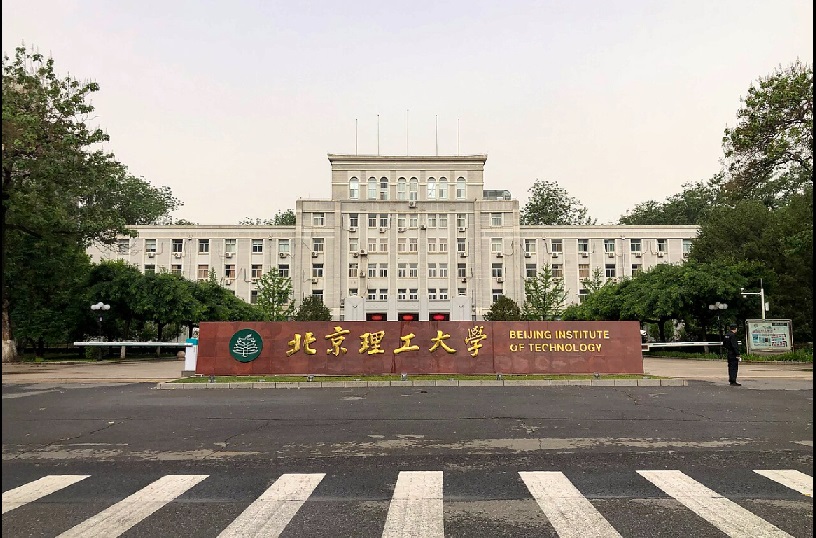
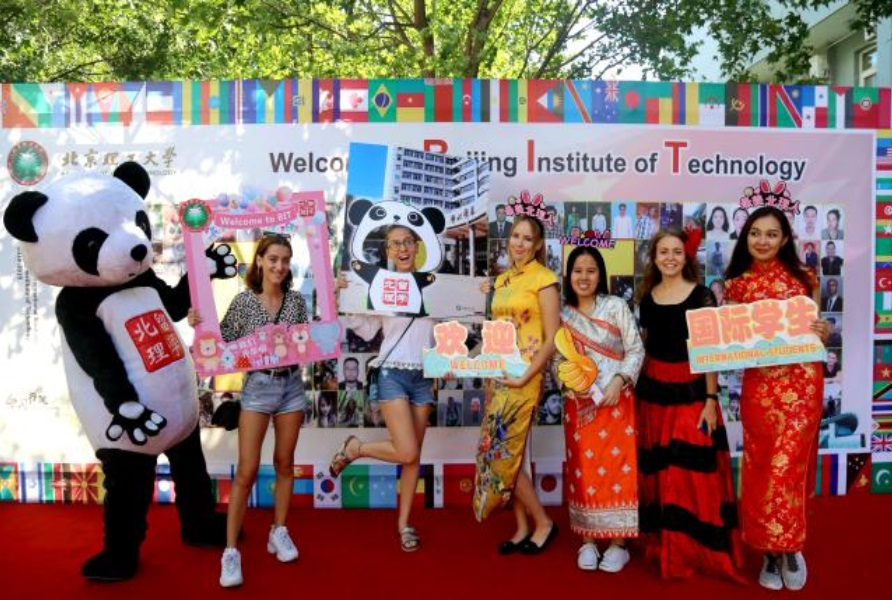
Founded in 1940, Beijing Institute of Technology (BIT) is one of the prestigious universities in China. It is ranked 9th in China according to the QS Global Graduate Employability Rankings 2022, and also holds the top spot for general higher education accreditation for international students in China.
Not only renowned in science and engineering, BIT promotes balanced growth in other disciplines, particularly in management and the humanities, with several of its programs regularly ranked among the top 10 in China.
BIT has strengthened its international reputation by forming a community of global talent while continuously improving the quality of its educational offerings, which are accredited by AACSB, EQUIS, and AMBA.
Its international rankings:
– 302nd in the QS World University Rankings 2025,
– ranked between 101st and 150th by World Universities (ARWU) 2024,
– Ranked 179th by U.S. News and World Report Best Global Universities 2024,
– 201-250 in the Times Higher Education World University Rankings (THE) 2025.
Today, the ILO is proud to welcome a vibrant student community of over 3,400 international students from 152 countries.
Major, Academics
The School of Management has 8 departments:
– Department of Management Science and Logistics
– Department of Management Engineering
– Department of Applied Economics
– Department of International Trade and Finance
– Accounting Department
– Department of Human Resources Organization and Management
– Department of Technical Economics and Strategic Management
– Marketing Department
Beijing is regarded as the political and cultural centre of China, while Hong Kong, Shanghai, Guangzhou and Shenzhen dominate economically.
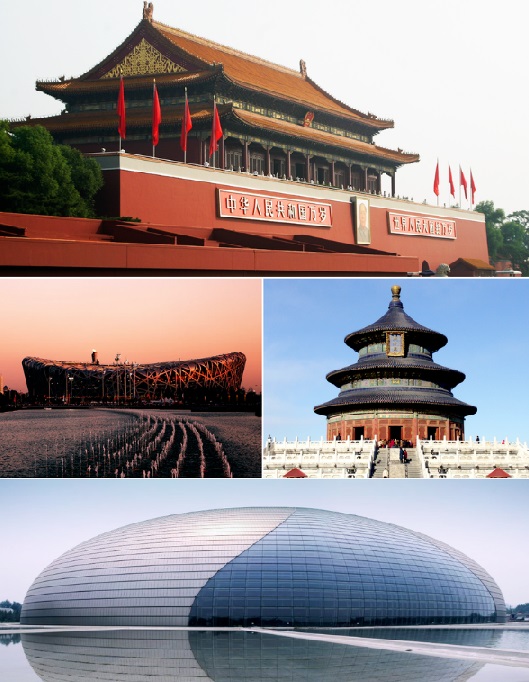
Located close to the Great Wall, Beijing is home to famous monuments such as the Forbidden City and the Temple of Heaven, both of which are World Heritage Sites. You can also venture into the Hutongs, the traditional districts, and visit Tian’anmen Square, the Beijing Opera House and the Temple of Heaven.
Numerous architectural and structural projects have transformed the city for the Summer Olympics, which it hosted in 2008.
With Beijing’s excellent transport links, it’s easy to get around at low cost. Taxis aren’t expensive, but there’s a real risk of getting stuck in traffic jams at peak times. The best way to get around Beijing is certainly by metro. Fast, cheap and easy to use, this means of transport is widely used by locals. You can also take the bus to the places you want to visit and enjoy the scenery on the way.
Good to know
A trip to Beijing is sure to be a culture shock. As well as language, China is different from the West in many ways. The locals may come to you because they are curious about tourists, especially Westerners. Furthermore, the use of Google and therefore platforms such as Facebook or YouTube is not permitted.
The water is not drinkable, so you will need to buy bottled water or boil water.
The Chinese capital is faced with numerous environmental problems, including water and air pollution. Since the early 1990s, the government has been making greater efforts to protect the environment. It has introduced laws to encourage recycling, standardise environmental impact assessment and energy efficiency, and monitor air pollution.
This information is provided as a guide.
Please visit the partner university’s website to have exact updated information.
Eligibility
Score TOEFL required: 550
Eligibility:
ABC: 2nd, 3rd and 4th year
ESAM: 3rd, 4th year
ICD PGE
Documents required
Resume (in English)
Transcript of records
ID Document
Cover letter (in English)
Additional documents will be requested according to the destination
Planning
AUTUMN
Orientation: few days before lectures start
Lectures start: early September
End of lectures and exams : mid-January
SPRING
Orientation: few days before lectures start
Lectures start : end of February
End of lectures and exams: end of June
Procedures
Passport valid for six months after your return date.
Visa is required.
All students must apply for a student visa (X1/X2) at the Chinese embassy or consulate in their country, taking their passport, the admission notice and form JW202 with them. Any other type of visa is not accepted.
The insurance offered by the university is compulsory (approximately €50 per semester).
Accommodation
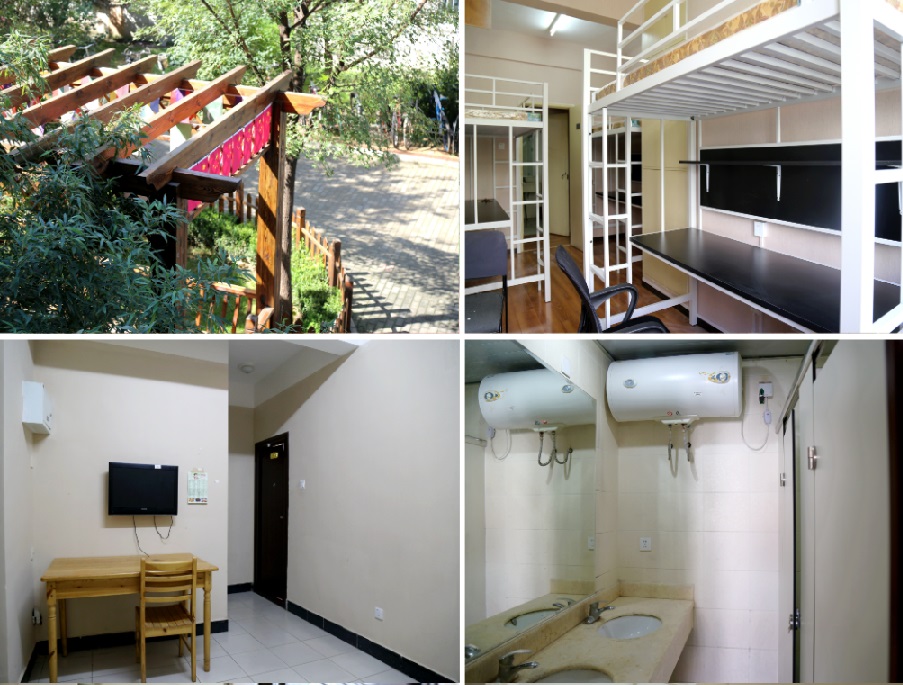
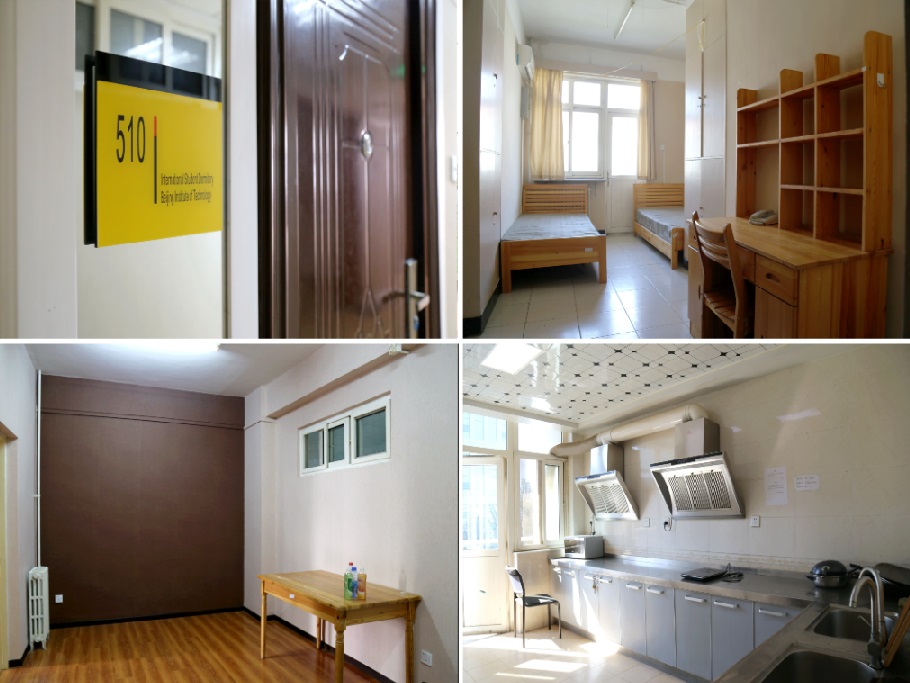
Rooms with three or four beds in the dormitories on the Zhong Guan Cun campus are available to all exchange students. Rooms with three or four beds in the dormitories on the Zhong Guan Cun campus are available to all exchange students.
You will receive an e-mail about booking a room after your admission.
You can expect to pay around €140 for a bed in a dormitory.
Fore more information: https://isc.bit.edu.cn/campuslife/accommodation/b113433.htm
Exchange students can choose to live on campus or find a flat off campus on their own.
Nous utilisons des cookies pour vous garantir la meilleure expérience sur notre site web. Si vous continuez à utiliser ce site, nous supposerons que vous en êtes satisfait.